September 24, 2026
Elderly Care Decisions: Comparing Costs, Providers, and Benefits of Assisted Living and Memory Care
By @paxtonombi963
Business Name: BeeHive Homes of Arrowhead Assisted Living
Address: 17202 N 69th Ave, Glendale, AZ 85308
Phone: (602) 717-1864
BeeHive Homes of Arrowhead Assisted Living
BeeHive Homes of Arrowhead Assisted Living care is ideal for those who value their independence but require help with some of the activities of daily living. Residents enjoy 24-hour support, private bedrooms with baths, medication monitoring, home-cooked meals, housekeeping and laundry services, social activities and outings, and daily physical and mental exercise opportunities. We offer full memory care services that accommodate the growing number of seniors affected by memory loss and dementia. Beehive Homes offers respite (short-term) care for your loved one should the need arise. At the BeeHive Homes of Arrowhead Assisted Living, we strive to provide the best care for our residents while maintaining their dignity and respect.
17202 N 69th Ave, Glendale, AZ 85308
Business Hours
Families generally do not begin investigating senior care due to the fact that life is calm and orderly. Something has moved. A parent left the range on, a spouse with dementia wandered outdoors in the evening, or the caregiver merely can not stay up to date with medications, laundry, house upkeep, and continuous guidance. By the time I meet families professionally, they are generally tired, stressed, and overwhelmed by choices: assisted living, memory care, respite care, in‑home help, or some mix of all of these.
Choosing between assisted living and memory care is not simply a financial choice. It is about safety, dignity, and what daily life will in fact feel like for the individual you like. The sales brochures tend to flatten the differences into a couple of marketing expressions. In practice, the space can be wide, and moving twice (from assisted living to memory care) is disruptive, both mentally and financially.
This post strolls through how these options differ in services, staffing, environment, and expense, and how to match them to real‑world situations rather than abstract descriptions.
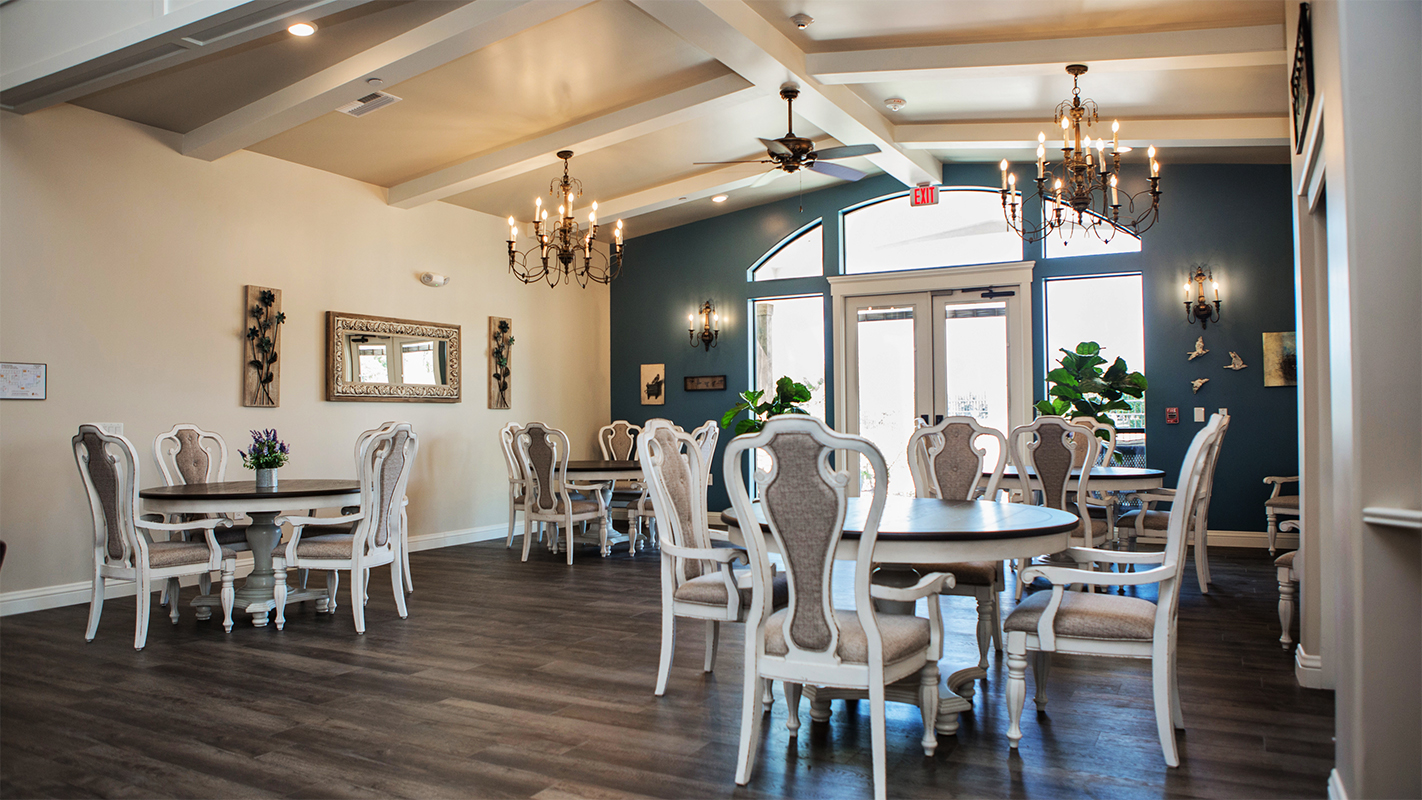
What assisted living actually provides
Assisted living outgrew an easy concept: numerous older adults do not require a nursing home, but they likewise can not or do not want to handle alone in your home. The goal is to blend real estate and support in a way that protects independence.
In most states, assisted living homeowners reside in personal or semi‑private houses with a small cooking area or kitchenette, a bathroom adapted for safety, and access to typical areas such as dining-room, activity rooms, and often outdoor yards. The building looks less medical than a nursing home. Many citizens still drive, go out with good friends, or travel, although they may count on personnel for medication tips or help with bathing.
From a services standpoint, assisted living is constructed around aid with activities of daily living: bathing, dressing, grooming, toileting, and transfers. Staff can likewise assist with medications, frequently using a main med cart or drug store blister loads. Housekeeping, laundry, and meals are usually consisted of in the base rate.
What assisted living is not designed for is high‑risk habits or complex cognitive disability. Personnel are usually not geared up for frequent wandering, exit‑seeking, hostility activated by dementia, or homeowners who can not safely call for help when they need it. Laws vary, however there is generally a limit to just how much healthcare or hands‑on support an assisted living facility can lawfully provide before a resident needs either memory care or a nursing home.
A great way to consider assisted living is that it fits older adults who need structure, assistance, and some guidance, but can still take part in their own security. They can press a call button, follow simple instructions, and understand why specific boundaries exist.
What memory care includes on top of assisted living
Memory care looks comparable on the surface: personal or shared spaces, meals, housekeeping, activities. The important differences sit behind the scenes in staffing, developing style, shows, and policy.
Memory care systems are specifically developed for residents with Alzheimer's illness and other dementias. The layout typically features a protected border with controlled exits. Corridors are often much shorter, circular, or designed to reduce dead ends that can aggravate agitation. Color hints, big signs, and visual landmarks help locals orient. Outdoor areas are either fully confined or carefully supervised.
The staffing pattern is heavier. Where an assisted living flooring might have one caregiver for 10 to 15 citizens during the day, memory care might aim for something like one caretaker for 5 to 8 citizens, depending on the state and the operator. Personnel are trained to handle behaviors such as sundowning, repetitive questioning, exit‑seeking, and resistance to care. Training consists of techniques for redirection, non‑pharmacologic calming techniques, and safe handling when homeowners strike out or effort unsafe movements.
Programming in memory care is purpose‑built to match cognitive levels. Instead of a scheduled lecture, you are more likely to see sensory stimulation, music tailored to the resident's period, short tactile tasks, simple baking activities, or folding laundry as a soothing, purposeful routine. Activities are shorter, more frequent, and not based on memory retention. Staff comprehend that you may run the very same group 5 times in a week with a lot of the very same people, and that is fine.
Medication oversight is tighter as well. Residents frequently have multiple psychedelic medications that require mindful timing, particularly for sleep, behavior management, and mood. In my experience, good memory care systems work closely with geriatricians or geriatric psychiatrists and are more proactive about tracking patterns in behavior that recommend a medical problem such as pain, infection, or delirium.
Safety expectations are also different. In memory care, the group presumes citizens will forget instructions, misinterpret risks, and stroll into circumstances they would when have actually prevented. The entire environment is built for that reality.
The fuzzy zone in between the two
Families rarely have a neat box to fit their loved one into. I often hear variations on the same worry: "Mom is absent-minded, however she still dresses herself and has long discussions. Does she actually require memory care?" Or the inverse: "Dad is physically strong and moves quick. He wanders, but he is not 'that bad' yet. Would assisted living be enough?"
The answer beings in a couple of practical questions.
First, is the individual safe in an environment that is not locked or continually kept an eye on? If a resident has actually already opened a door and walked away from home, or has actually left the range on more than once, it is risky to put them somewhere with open exits. Unlike a single‑family home, assisted living buildings have multiple exits, more traffic, and more opportunities to slip away without somebody discovering immediately.
Second, how does the person respond to unknown environments and instructions? Someone with early dementia who follows triggers and accepts assistance can often succeed in assisted living with a strong memory care program on website for future shift. Somebody who becomes scared, paranoid, or resistant when they do not acknowledge a place may do much better beginning in memory care where the regimen is tighter and personnel are utilized to those reactions.
Third, what is the predicted trajectory? Dementia is progressive. If an individual is simply barely safe for assisted living at move‑in, they may rapidly cross into needing memory care, which second move can be disorienting and mentally uncomfortable. I often motivate families to favor the environment that will still fit the person in 2 years, not simply at this moment, specifically if finances can sustain the greater level of care.
There are likewise residents in assisted living who technically get approved for memory care but remain where they are due to the fact that of long relationships with personnel and peers. That can work when the structure is reasonably little, staff know the resident deeply, and risks are workable. It stops working when roaming, aggressiveness, or significant incontinence become everyday realities.
How expenses truly compare
On paper, assisted living often costs less than memory care. In practice, the comparison can be deceiving if you look only at base rates.
In lots of markets, a private assisted living house may begin in the variety of 3,500 to 6,000 dollars each month, in some cases higher in large cities or high-end communities. Memory care often starts around 5,000 to 8,000 dollars. These are broad ranges, and some high‑end neighborhoods charge much more, however they provide you a sense of scale.
Assisted living prices generally includes lease, standard energies, some level of activities, and meals. Care is then included tiers or point systems. A resident who needs just medication management might pay a couple of hundred dollars more per month. Somebody who needs substantial assist with bathing, dressing, and movement may layer on 1,000 to 2,500 dollars or more in care fees. If a resident becomes incontinent, begins to need 2 team member for transfers, or begins calling out often at night, the regular monthly cost can leap significantly.
Memory care normally looks more pricey in advance, but it typically bundles a greater level of care into the base price. The assumption is that a lot of homeowners will require aid with several daily jobs and will have cognitive disability that needs more extensive guidance. There might still be tiers, however the variety between the lowest and greatest is smaller sized, since everybody is already beginning at a higher baseline of need.
There are less apparent expense aspects as well. For example, if you put a person with moderate dementia in assisted living to "save money" and they consistently wander out or withstand care, the center might require a one‑to‑one caretaker for time periods that the household must spend for, or might notify that the resident must relocate to memory care. Each crisis, health center visit, and short‑term service adds cost.
On the other hand, some households select personal in‑home caretakers combined with adult day programs to delay any relocation at all. In‑home care at 25 to 35 dollars per hour for 8 hours a day, 7 days a week, rapidly goes beyond 5,000 to 7,000 dollars monthly, not including lease or home upkeep. That might still be worth it for some, especially if a partner deeply wants to keep their partner in your home and has the resources to do so.
One more angle is the length of time someone will live at that care level. If a reasonably healthy individual with moderate dementia enters memory care, it is not uncommon for them to live numerous years, often more than 5 or 7. If financial resources are tight, even a 500 dollar monthly difference between assisted living and memory care adds up to 10s of thousands over the total stay. That is a real trade‑off, and households require clear forecasts instead of wishful thinking.
Insurance, public advantages, and what they in fact cover
A common surprise for households is finding that conventional Medicare does not pay for assisted living or memory care room and board. It may cover physician visits, therapy, and some medical supplies, however not the core residential cost.
Some long‑term care insurance policies do help with both assisted living and memory care, however only if the beehivehomes.com assisted living arrowhead az policy language plainly covers "assisted living facilities" or "residential care facilities" and if the resident meets defined criteria for needing help with activities of daily living or for cognitive disability. It is vital to evaluate the policy years before you require it if possible, and once again at the time of claim, due to the fact that misconceptions about waiting periods, everyday advantage maximums, and inflation riders can derail planning.
For veterans, Help and Attendance benefits can contribute significant regular monthly support that can be applied to assisted living or memory care. These programs involve documents and eligibility requirements, however when they fit, they can make the distinction between hardly handling and having enough to pick a suitable setting.
Medicaid coverage is intricate and extremely state‑specific. Some states have Medicaid waivers that help pay for assisted living or memory care, however not all buildings accept them, or there may be limited designated systems. Even when offered, the process to certify can take months, and some communities require a minimum period of personal pay before accepting a Medicaid shift. Preparation around this reality is a crucial part of responsible monetary decision‑making, instead of assuming that "Medicaid will step in later" without checking.
Services and staffing: what to search for beyond the brochure
When choosing in between assisted living and memory care, focus less on abstract labels and more on what a day would actually look and feel like for your household member.
Ask how medication administration works. In some structures, med passes are rushed, with one nurse covering a large floor. In others, there is enough staff to invest a minute with each resident, check their swallowing, and notice agitation or confusion.
Observe dining. In assisted living, citizens normally walk or wheel into the dining room, checked out menus, and place orders. In memory care, staff might use image menus, pre‑plated meals, or one‑to‑one assistance at the table. View whether residents are eating or just pressing food around. Food consumption is frequently the first thing to deteriorate when an individual is overwhelmed.
Activity calendars can be misleading. Fifteen items printed on a page do not suggest fifteen significant experiences. Look at whether staff really lead activities, or if homeowners are clustered around a TV the majority of the time. In excellent memory care programs, you see personnel engaging homeowners throughout shifts: folding towels between meals, strolling with them in the halls, providing hand massages, and utilizing music not just throughout "music hour" but throughout the day.
Staff turnover is another quiet marker. High turnover breaks continuity, especially for locals with dementia who depend on familiar faces and voices. It is sensible to ask the director for how long their core care personnel have actually been there, and what they do to keep them.
Finally, ask openly how the structure decides a resident is no longer suitable for that level of care. A sincere director will explain particular triggers: repeated wandering events, frequent physical hostility, unrestrained habits in the evening, or medical intricacy beyond their license. You would like to know whether the likely future of your loved one fits within that structure's comfort zone.
How respite care suits the picture
Respite care is short‑term remain in an assisted living or memory care setting, usually from a few days to a few weeks. Families often consider it only as a break for the caretaker, but it can serve numerous purposes in the decision process.
For caretakers who are on the fence, a respite stay can operate as a trial run. An individual with mild dementia might enter into assisted living respite while their primary caregiver journeys. If they change well, participate in activities, and reveal no security issues, that tells you one story. If they end up being highly anxious, try to leave, or require more hands‑on aid than expected, staff might gently recommend that memory care would fit better if a relocation becomes permanent.
Respite care in memory units is similarly important. It enables personnel to examine how an individual with dementia functions in a structured environment. I have actually seen households decide not to move forward with permanent placement since the respite stay revealed that the individual was doing far better at home than they understood, or conversely, since it ended up being crystal clear just how much strain the main caretaker was under.
From a simply human angle, respite care secures caregivers from burnout. A spouse taking care of someone with dementia in the house frequently overlooks their own health. A week or 2 of respite can provide time for medical consultations, sleep, and psychological rest, which in turn may extend the period they can safely continue home care.
Financially, respite is normally billed at a daily rate that includes space, board, and care. The per‑day expense is higher than the comparable month-to-month rate, but since the stay is short, it can still be manageable. Some long‑term care policies repay respite, but it depends upon the agreement language.
An easy comparison you can keep in your head
List 1: Key differences in between assisted living and memory care
- Safety design: Assisted living is typically unsecured, with homeowners anticipated to remain in safe areas voluntarily. Memory care utilizes secured doors, enclosed courtyards, and streamlined designs to manage roaming danger.
- Staffing intensity: Assisted living often has higher resident‑to‑staff ratios and more independence. Memory care supplies more hands‑on aid and behavior management training.
- Program focus: Assisted living activities assume some memory, attention, and self‑direction. Memory care activities are much shorter, recurring, sensory‑based, and adapted for cognitive loss.
- Cost structure: Assisted living typically begins lower however can climb with included care requirements. Memory care starts greater however typically bundles more services.
- Appropriateness: Assisted living fits those who can take part in their own security and comprehend basic cues. Memory care fits those with moderate to sophisticated dementia, roaming, or behavioral symptoms.
This psychological list is not best, however it anchors your thinking as you consult with communities.
Emotional realities and family dynamics
Elderly care choices seldom depend upon realities alone. Guilt, assures made years ago, sibling disagreements, and generational expectations all form what feels acceptable.
Many adult children battle with the idea of locking doors around a parent. Relocating to memory care feels like an action that admits the dementia is "that bad." Others associate memory care with the most innovative stages they have actually seen, perhaps a relative who no longer recognized anybody. Placing a still‑recognizable, conversational parent because environment feels premature.

On the other hand, caregivers in the house, frequently partners in their seventies or eighties, might minimize risk out of love and habit. "He just roamed as soon as." "She just gets aggressive when she is tired." They remember the full person, not just the illness. When I sit with them, I attempt not to argue with their memories. Rather, we talk about concrete dangers and what a typical week is like now, hour by hour. The level of exhaustion that surfaces in those discussions typically alters their perspective.
Siblings can disagree, specifically if one lives neighboring and brings more of the day-to-day load. The remote brother or sister might prefer assisted living to preserve self-reliance, not totally grasping how much behind‑the‑scenes supervision the local caretaker is offering. Sometimes a structured respite stay exposes the ground reality more plainly than any family discussion.
It assists to bear in mind that a move to assisted living or memory care is not a failure of love. It is a change in the care setting when the home environment can not securely or sustainably satisfy the person's requirements. Framing the move as a shift from "doing it all yourself" to "leading the care team" can assist families reorient.
Questions to ask when visiting communities
List 2: Practical questions to direct your visits
- "Explain a resident who is not proper for this level of care. What takes place when somebody reaches that point?"
- "What is your typical staff‑to‑resident ratio on days, evenings, and nights, and how frequently do you utilize company staff?"
- "How do you support residents who roam, withstand bathing, or become upset? Can you provide recent examples?"
- "If my parent's dementia advances, can they remain in this building, or would they require to relocate to another place?"
- "What increases in regular monthly expense should I expect as care requires modification, and can you reveal genuine examples of current resident cost structures, with names removed?"
The objective is not to catch anybody out, however to extract concrete descriptions instead of general reassurances.
Matching setting to real‑world situations
Different circumstances call for different options, even when medical diagnoses look similar on paper.
A widowed parent with early‑stage dementia, still driving however increasingly lonely and missing dosages of medication, may prosper in assisted living, specifically one with a strong memory center close-by and structured activities. The social engagement and regular meals can slow functional decline.
By contrast, a physically robust individual with moderate Alzheimer's who has actually currently roamed from home more than when, ends up being suspicious in the evening, and periodically snaps when confused, is normally more secure in memory care from the outset, even if they can currently shower or dress with just prompting.
If a frail spouse with several medical concerns and early dementia copes with a partner in their eighties who handles fairly well but is overwhelmed by hands‑on care, a hybrid plan may help: in‑home caregivers during the day, adult day memory programs a number of days a week, and set up respite care in memory systems a couple of times a year. That pattern typically extends the duration they can remain together at home before thinking about irreversible placement.
There are likewise times when medical complexity eclipses the cognitive problem. Someone on regular oxygen, reoccurring IV antibiotics, or requiring knowledgeable wound care might need a nursing facility despite whether dementia exists. Assisted living and memory care are not alternatives to knowledgeable nursing when the clinical needs are that high.
Bringing all of it together
Choosing between assisted living and memory care is less about chasing after the best choice and more about finding the setting that finest aligns with the person's safety needs, character, illness trajectory, and monetary truth. What matters most is the quality of the care team, the fit in between the environment and the individual's habits patterns, and the sustainability of the prepare for both the resident and the family.
Respite care, conversations with doctors who comprehend geriatric and memory conditions, and candid talks with center directors often clarify the course. Households who do finest are not the ones who find a magic solution, however the ones who remain open up to changing the strategy as the disease evolves.
Senior care and elderly care are long journeys, not single choices. When you select an assisted living or memory care setting, you are not locking in your fate. You are choosing the next ideal action in a procedure that will keep unfolding. If you ground that action in clear information, sincere self‑assessment, and regard for the person's self-respect and safety, you are on strong footing.
BeeHive Homes of Arrowhead Assisted Living provides assisted living care
BeeHive Homes of Arrowhead Assisted Living provides memory care services
BeeHive Homes of Arrowhead Assisted Living provides respite care services
BeeHive Homes of Arrowhead Assisted Living supports assistance with bathing and grooming
BeeHive Homes of Arrowhead Assisted Living offers private bedrooms with private bathrooms
BeeHive Homes of Arrowhead Assisted Living provides medication monitoring and documentation
BeeHive Homes of Arrowhead Assisted Living serves dietitian-approved meals
BeeHive Homes of Arrowhead Assisted Living provides housekeeping services
BeeHive Homes of Arrowhead Assisted Living provides laundry services
BeeHive Homes of Arrowhead Assisted Living offers community dining and social engagement activities
BeeHive Homes of Arrowhead Assisted Living features life enrichment activities
BeeHive Homes of Arrowhead Assisted Living supports personal care assistance during meals and daily routines
BeeHive Homes of Arrowhead Assisted Living promotes frequent physical and mental exercise opportunities
BeeHive Homes of Arrowhead Assisted Living provides a home-like residential environment
BeeHive Homes of Arrowhead Assisted Living creates customized care plans as residents’ needs change
BeeHive Homes of Arrowhead Assisted Living assesses individual resident care needs
BeeHive Homes of Arrowhead Assisted Living accepts private pay and long-term care insurance
BeeHive Homes of Arrowhead Assisted Living assists qualified veterans with Aid and Attendance benefits
BeeHive Homes of Arrowhead Assisted Living encourages meaningful resident-to-staff relationships
BeeHive Homes of Arrowhead Assisted Living delivers compassionate, attentive senior care focused on dignity and comfort
BeeHive Homes of Arrowhead Assisted Living has a phone number of (602) 717-1864
BeeHive Homes of Arrowhead Assisted Living has an address of 17202 N 69th Ave, Glendale, AZ 85308
BeeHive Homes of Arrowhead Assisted Living has a website https://beehivehomes.com/locations/arrowhead
BeeHive Homes of Arrowhead Assisted Living has Google Maps listing https://maps.app.goo.gl/D7JvVkn2P8RDaFQS7
BeeHive Homes of Arrowhead Assisted Living has Facebook page https://www.facebook.com/BeeHiveArrowhead
BeeHive Homes of Arrowhead Assisted Living won Top Assisted Living Homes 2025
BeeHive Homes of Arrowhead Assisted Living earned Best Customer Service Award 2024
BeeHive Homes of Arrowhead Assisted Living placed 1st for New Mexico Senior Living Communities 2025
People Also Ask about BeeHive Homes of Arrowhead Assisted Living
What is BeeHive Homes of Arrowhead Assisted Living Living monthly room rate?
Our monthly rate is based on an individual care assessment that determines the level of support your loved one needs. We use an all-inclusive pricing model, which means no hidden costs, no surprise fees, and no confusing tier add-ons. Contact us to schedule a complimentary assessment and personalized quote
Can residents stay in BeeHive Homes of Arrowhead Assisted Living until the end of their life?
In most cases, yes. We are committed to caring for our residents through their journey. Exceptions may arise if a resident requires 24-hour skilled nursing services or presents safety concerns that exceed what our home can accommodate. We work closely with families and healthcare providers to ensure smooth, compassionate transitions whenever they are needed
Do we have a nurse on staff?
Our home has a consulting nurse available 24/7. If nursing services are needed, a physician can order home health care to be provided directly in the home. Our trained caregiving staff is on-site around the clock for daily support, medication management, and emergency response
What are BeeHive Homes of Arrowhead Assisted Living's visiting hours?
We welcome family visits and work to accommodate schedules flexibly. We simply ask that visits happen at reasonable hours so our residents can maintain healthy daily routines. We believe family connection is essential, and we never want policies to get in the way of that
Do we have couple’s rooms available?
Yes. We have rooms designed for couples who want to stay together. Availability varies, so we encourage you to ask early during the tour and assessment process
Where is BeeHive Homes of Arrowhead Assisted Living located?
BeeHive Homes of Arrowhead Assisted Living is conveniently located at 17202 N 69th Ave, Glendale, AZ 85308. You can easily find directions on Google Maps or call at (602) 717-1864 Monday through Sunday 7:00am to 7:00pm
How can I contact BeeHive Homes of Arrowhead Assisted Living?
You can contact BeeHive Homes of Arrowhead Assisted Living by phone at: (602) 717-1864, visit their website at https://beehivehomes.com/locations/arrowhead or connect on social media via Facebook
Take a drive to Babbo Italian Eatery. Babbo Italian Eatery offers familiar comfort food suitable for assisted living and elderly care residents during senior care and respite care dining outings.
❧